Sunday, 26 April 2020

Woolly-necked Stork @ Ranthambore National Park, Rajasthan, India

Woolly-necked Stork (Ciconia episcopus) is a large, attractive and active bird among many hundred of bird species can be found in Ranthambore National Park. It can be found at the lakes located at lower elevation in the forest of the park.  

Ranthambore National Park

Ranthambore National Park needs no introduction to the world. It is famous for Royal Bengal Tiger, the biggest wild cat alive today. The park has the most tiger population per square kilometer and it is also the largest national park in the state of Rajasthan, India. Originally as project tiger reserves in 1973, the park was declared as National Park on 1 November 1980. 

Inside the Ranthambore National Park, the UNESCO World Heritage Site, Ranthambore Fort is situated. 

How to get to Ranthambore National Park

Located in a small town called Sawai Madhopur, the park can be reached in approximately 3.5 hours by car from Jaipur international airport for a distance of about 160 km. Train and buses are also available mode of transportation from Jaipur to Sawai Madhopur. 

Although Sawai Madhopur is a small town, to cater for both local and foreign tourists visiting Ranthambore National Park, there are abundant hotels, resorts, villas and guesthouses of different standards and prices. Not forgetting restaurants, cafe, convenience shops of all kinds and standards.  

Best time to visit Ranthambore National Park

For a purpose of tiger sighting, the best time to visit the park is during summer; from April to June. During this period the temperature can go up to 40 - 48 degree centigrade. Hence get ready with suitable clothing and a lot of water. Summer generally is non-peak period for Ranthambore National Park as tourists try to avoid very hot weather. However, for serious animal or tiger lovers and wildlife photographers, this is the best period to capture the mammal as they come out to find water at the designated water points.

The peak period where most tourists visit the park is during winter, from November to February where the temperature can drop to 4-10 degree centigrade in the early morning and below 15 in the afternoon. 

Ranthambore National Park is closed during monsoon season, from July to September and it is coincide with a mating season for the tigers. 

Safari at Ranthambore National Park

Safari can be pre-booked or booked from the local agents in the small town of Sawai Madhopur. However, it is advisable to pre-booked the safari as it may be fully booked and the price may be hiked during the peak season. Generally, there are two type of vehicles for safari which allowed to enter into the park, a small jeep with maximum 6 passengers, with a driver and a guide. The other type of vehicle is called Canter, a larger 20-seater modified vehicle. Both vehicles are opened top vehicle. 

The desired type of vehicle can also be chosen during the booking is made as it is different in price. 

For serious wildlife photographers, a small jeep is much desirable as vehicle can move much faster and can enter smaller roads to find animals in the park. 

The Untold Rules of Safari at Ranthambore National Park

Although the total area of the park is approximately 1,300 square kilometers, only less than 30% is opened to public. The area that opens to public is divided into 10 zones, Zone 1 - 6 are considered premium zones where possibility of sighting tiger is better than other zones and they are nearer to the town. Zone 7 -10 cover more hilly and rocky areas with less chances to sight the tigers and it takes about one hour to reach the entrance of the zone from town where hotels are located. 

Although, the zone for each safari vehicle visits is determined by the forestry department officer based on computerized system, speak to local agent where booking is made for desired zones. Beware, some local agents will charge more for the arrangement to enter the premium zones. 

Secondly, the park is opened in two time slots, morning from 6.30 a.m. to 10.00 a.m. and afternoon from 2.30 p.m. to 5.30 p.m. At the end of each time slot, all safari vehicles must exit the park. Hence, the effective duration for safari for each time slot is only 2 hours. As such, arrange safari vehicle for early pickup so the jeep will be at the entrance of designated zone as it opens.  

For serious wildlife lovers and photographers, request for the entire day safari without exiting the park can also be made at the local agent where the booking is made so as to allow more time to search for animal in the park. However, do expect much more expensive fee. 

What to expect in Ranthambore National Park

Visitors to the park expect to see the Royal Bengal Tiger. During summer, the chances to sight this mammal is more than 70% whist only 30% chances during winter. Besides tiger, for wild cat family, leopard, caracal and jungle cat can also be found here. 

Other common animal can be sighted in the park include spotted deer, sambar deer, antelope, gray langur just to name a few. 

The park is also a home to more than 350 species of birds, 40 species of mammal and reptiles and few hundred species of plants.


Saturday, 25 April 2020

Gray Langur @ Ranthambore National Park, Rajasthan, India

Gray Langur aka. Hanuman Langur is another type of animal can be found in Ranthambore National Park. The population of Gray Langur in the park is one of the largest among other animals, as such it can be sighted around the park, both at higher and lower elevations in the forest of the park.  

Ranthambore National Park

Ranthambore National Park needs no introduction to the world. It is famous for Royal Bengal Tiger, the biggest wild cat alive today. The park has the most tiger population per square kilometer and it is also the largest national park in the state of Rajasthan, India. Originally as project tiger reserves in 1973, the park was declared as National Park on 1 November 1980. 

Inside the Ranthambore National Park, the UNESCO World Heritage Site, Ranthambore Fort is situated. 

How to get to Ranthambore National Park

Located in a small town called Sawai Madhopur, the park can be reached in approximately 3.5 hours by car from Jaipur international airport for a distance of about 160 km. Train and buses are also available mode of transportation from Jaipur to Sawai Madhopur. 

Although Sawai Madhopur is a small town, to cater for both local and foreign tourists visiting Ranthambore National Park, there are abundant hotels, resorts, villas and guesthouses of different standards and prices. Not forgetting restaurants, cafe, convenience shops of all kinds and standards.  

Best time to visit Ranthambore National Park

For a purpose of tiger sighting, the best time to visit the park is during summer; from April to June. During this period the temperature can go up to 40 - 48 degree centigrade. Hence get ready with suitable clothing and a lot of water. Summer generally is non-peak period for Ranthambore National Park as tourists try to avoid very hot weather. However, for serious animal or tiger lovers and wildlife photographers, this is the best period to capture the mammal as they come out to find water at the designated water points.

The peak period where most tourists visit the park is during winter, from November to February where the temperature can drop to 4-10 degree centigrade in the early morning and below 15 in the afternoon. 

Ranthambore National Park is closed during monsoon season, from July to September and it is coincide with a mating season for the tigers. 

Safari at Ranthambore National Park

Safari can be pre-booked or booked from the local agents in the small town of Sawai Madhopur. However, it is advisable to pre-booked the safari as it may be fully booked and the price may be hiked during the peak season. Generally, there are two type of vehicles for safari which allowed to enter into the park, a small jeep with maximum 6 passengers, with a driver and a guide. The other type of vehicle is called Canter, a larger 20-seater modified vehicle. Both vehicles are opened top vehicle. 

The desired type of vehicle can also be chosen during the booking is made as it is different in price. 

For serious wildlife photographers, a small jeep is much desirable as vehicle can move much faster and can enter smaller roads to find animals in the park. 

The Untold Rules of Safari at Ranthambore National Park

Although the total area of the park is approximately 1,300 square kilometers, only less than 30% is opened to public. The area that opens to public is divided into 10 zones, Zone 1 - 6 are considered premium zones where possibility of sighting tiger is better than other zones and they are nearer to the town. Zone 7 -10 cover more hilly and rocky areas with less chances to sight the tigers and it takes about one hour to reach the entrance of the zone from town where hotels are located. 

Although, the zone for each safari vehicle visits is determined by the forestry department officer based on computerized system, speak to local agent where booking is made for desired zones. Beware, some local agents will charge more for the arrangement to enter the premium zones. 

Secondly, the park is opened in two time slots, morning from 6.30 a.m. to 10.00 a.m. and afternoon from 2.30 p.m. to 5.30 p.m. At the end of each time slot, all safari vehicles must exit the park. Hence, the effective duration for safari for each time slot is only 2 hours. As such, arrange safari vehicle for early pickup so the jeep will be at the entrance of designated zone as it opens.  

For serious wildlife lovers and photographers, request for the entire day safari without exiting the park can also be made at the local agent where the booking is made so as to allow more time to search for animal in the park. However, do expect much more expensive fee. 

What to expect in Ranthambore National Park

Visitors to the park expect to see the Royal Bengal Tiger. During summer, the chances to sight this mammal is more than 70% whist only 30% chances during winter. Besides tiger, for wild cat family, leopard, caracal and jungle cat can also be found here. 

Other common animal can be sighted in the park include spotted deer, sambar deer, antelope, gray langur just to name a few. 

The park is also a home to more than 350 species of birds, 40 species of mammal and reptiles and few hundred species of plants.


Friday, 24 April 2020

Streaked Spiderhunter @ Awana Genting Highlands, Pahang, Malaysia

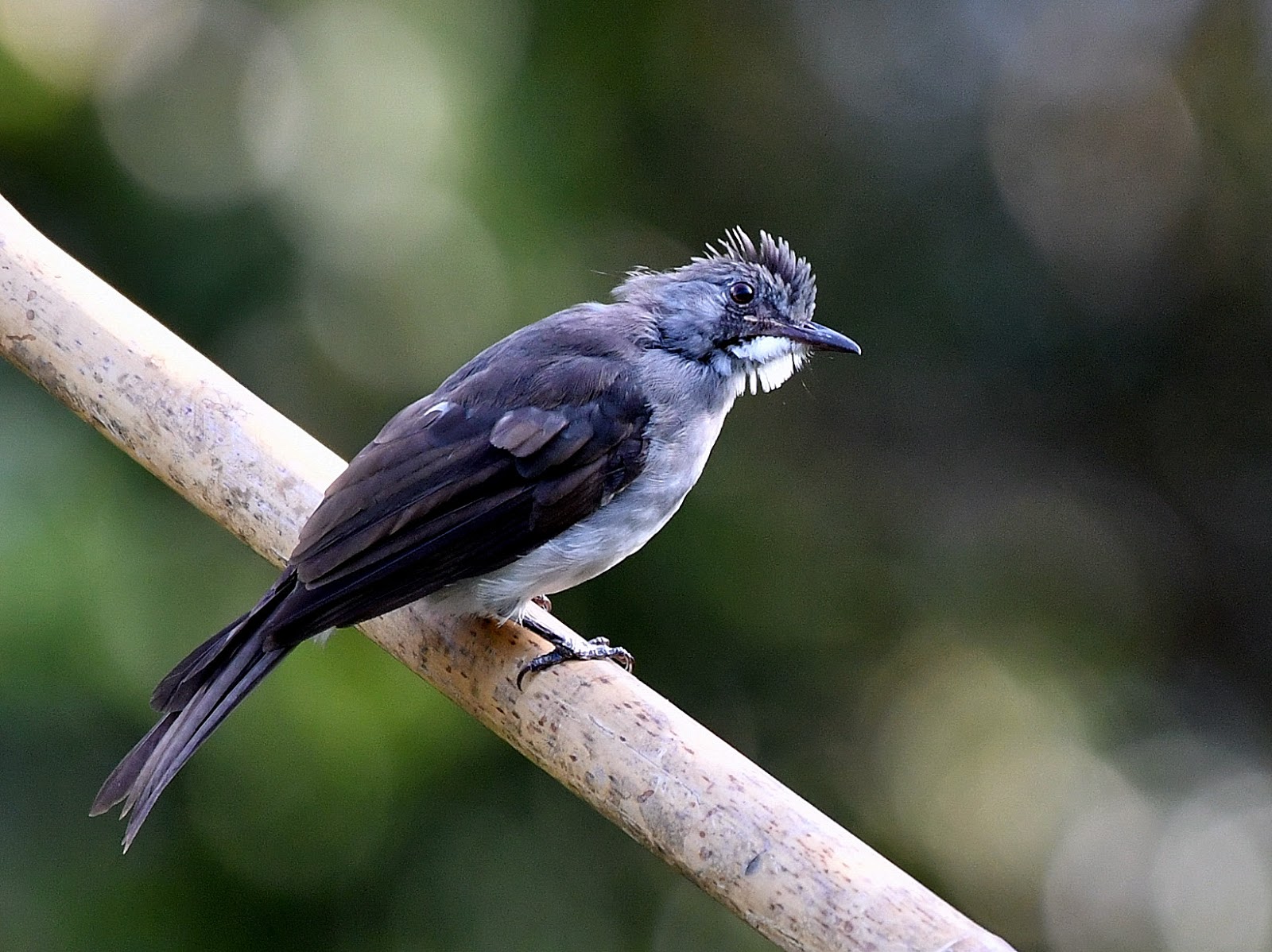
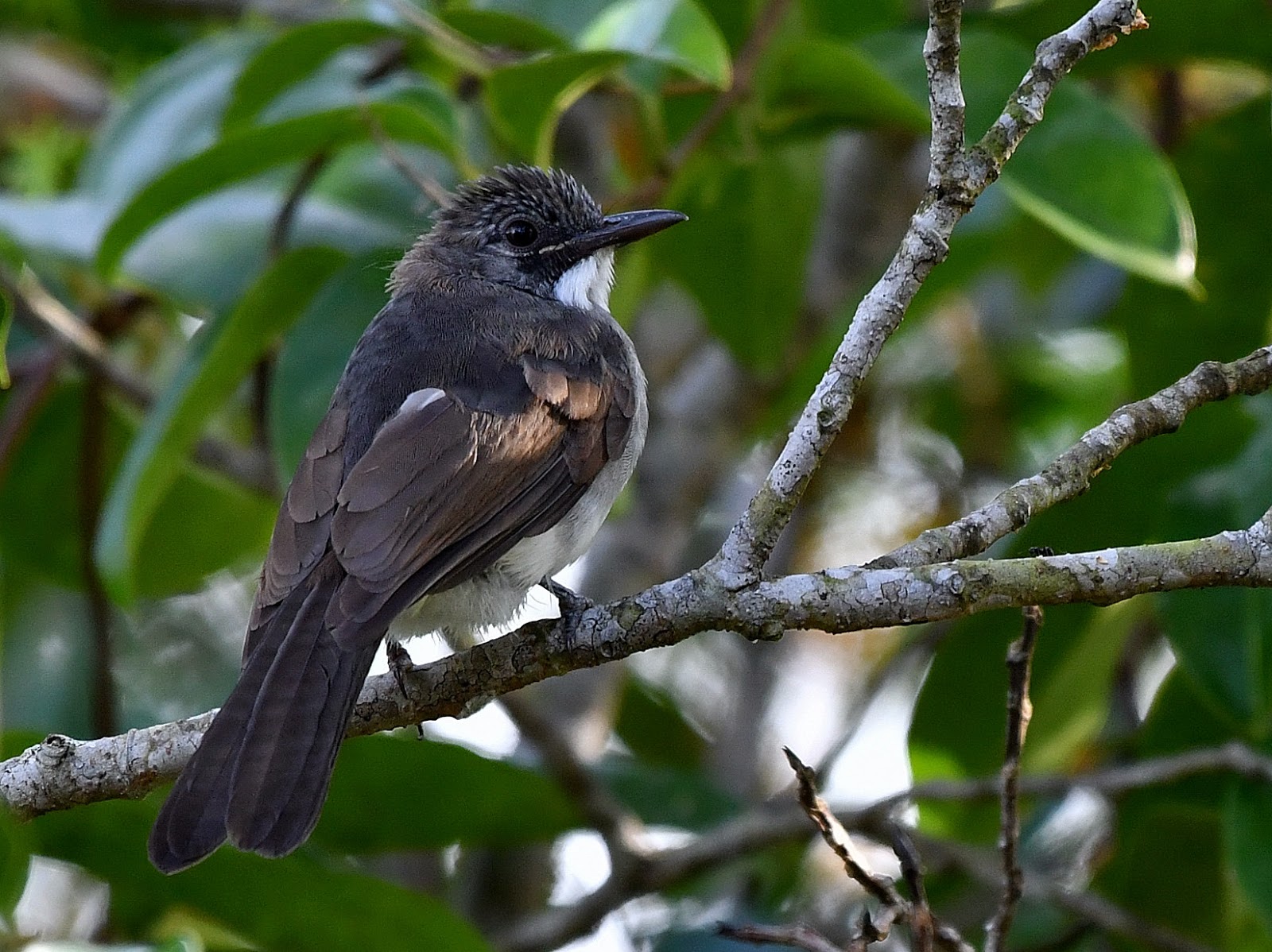
Streaked Spiderhunter (Arachnothera magna) is yet another attractive, very active and adorable bird among many birds can be found and residence of Awana Genting Highlands Golf and Country Resort, Pahang, Malaysia. It can be found in a forest along the road at the back of Awana Genting Highlands.

The forest behind Awana Genting Highlands is yet another popular highland birding destination in Pahang, Malaysia. It is located some 51 km for the capital city, Kuala Lumpur and it can be reached in approximately forty minutes by car. 

Other neighboring area to Awana Genting Highlands for the birding destination include the old pump house which is around 500 m from the hotel.    

Awana Genting Highlands is a residence to many exotic birds, including different type of Flycatchers, Bee-eaters, Leafbirds, Bulbuls, Doves, Trogons, Minivets and Magpies just to name a few and many migratory birds.


Thursday, 23 April 2020

Rufous-collared Kingfisher [Male] @ Sungai Congkak, Selangor, Malaysia

Rufous-collared Kingfisher (Actenoides concretus) is a colorful, very fast and attractive bird among hundred species of birds can be found in Sungai Congkak Recreational Forest, Selangor, Malaysia. Rufous-collared Kingfisher is a residence bird to Sungai Congkak. The bird can be found at the forest edges and the little stream in the recreational forest.  

Sungai Congkak Recreational Forest is yet another wonderful birding destinations in Selangor, Malaysia as it is a residence to many exotic birds. The recreational forest covers a large area of tropical rain forest, waterfalls, trekking and streams. Whereas accommodations, camp sites, food and recreational activities are provided along the stream, right outside the entrance to the forest. It can be reached in approximately one hour from Kuala Lumpur by car. Sungai Congkak Recreational Forest has a large bird population and varieties. It certainly entices many birders to be there. The main target birds in Sungai Congkak Recreational Forest include different types of kingfisher, babblers, sunbirds, shrikes, malkoha just to name a few. 

Other neighboring areas to Sungai Congkak for birding destinations include Sungai Tekali, Sungai Tekala, Sungai Perdik and Pongsun.  

Since Sungai Congkak Recreational Forest is also a popular destinations for family get away especially during weekend, be there early and wait for the desire lighting to come and search for the exotic birds.


Wednesday, 22 April 2020

Cinereous Bulbul @ Fraser's Hill, Pahang, Malaysia

Cinereous Bulbul (Hemixos cinereus) is a very active and attractive bird among few hundred species of birds can be found in Fraser's Hill, Pahang, Malaysia. The bird usually can be sighted at the forest edges around the Hill. 

Fraser's Hill is definitely one of the best birding destinations in Malaysia and in Asia as it is a residence to many exotic birds. The hill covers a large area of tropical rain forest, waterfalls, trekking and streams. There are abundant accommodations, food and recreational activities provided at the HillIt can be reached in approximately two hours from Kuala Lumpur by car. Fraser's Hill has the largest bird population and varieties. It certainly entices many birders from all over the world to be there. The main target birds in Fraser's Hill include different types laughingthrush, broadbills, cuckoos, flycathers, woodpackers, barbets, babblers, Niltavas, Minivets and Trogons just to name a few. 

As part of it's promotion and global recognition, Fraser's Hill holds Fraser's Hill International Bird Race annually. The hill is truly a heaven for bird and nature lovers.