Showing posts with label Sukau. Show all posts

Sunday, 22 May 2016

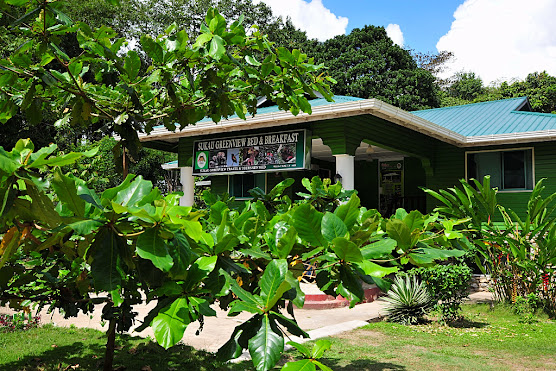
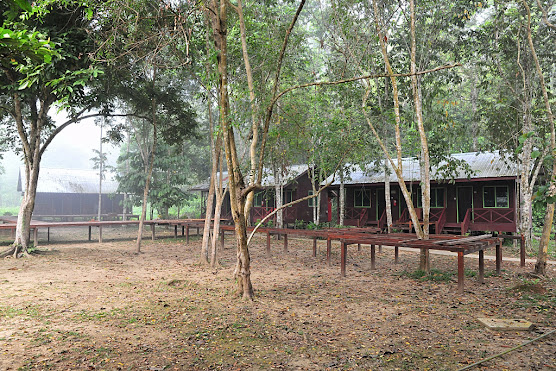
Lodge at Sukau, Sabah, East Malaysia

Sukau is a small town located in Sabah, the island of Borneo, East Malaysia. It can be reached in two and half hours flight from Kuala Lumpur to a town called Sandakan and from Sandakan it takes another two and half hours by car to the destination. 

Featured by rain forest and a famous Kinabatangan river, most of Asia's wildlife can be found here. Uniquely, most visitors to Sukau are foreign tourist. The peak season is between August to December. For accommodation, they are many resorts and lodges built a long Kinabatangan river. 


Wednesday, 13 April 2016

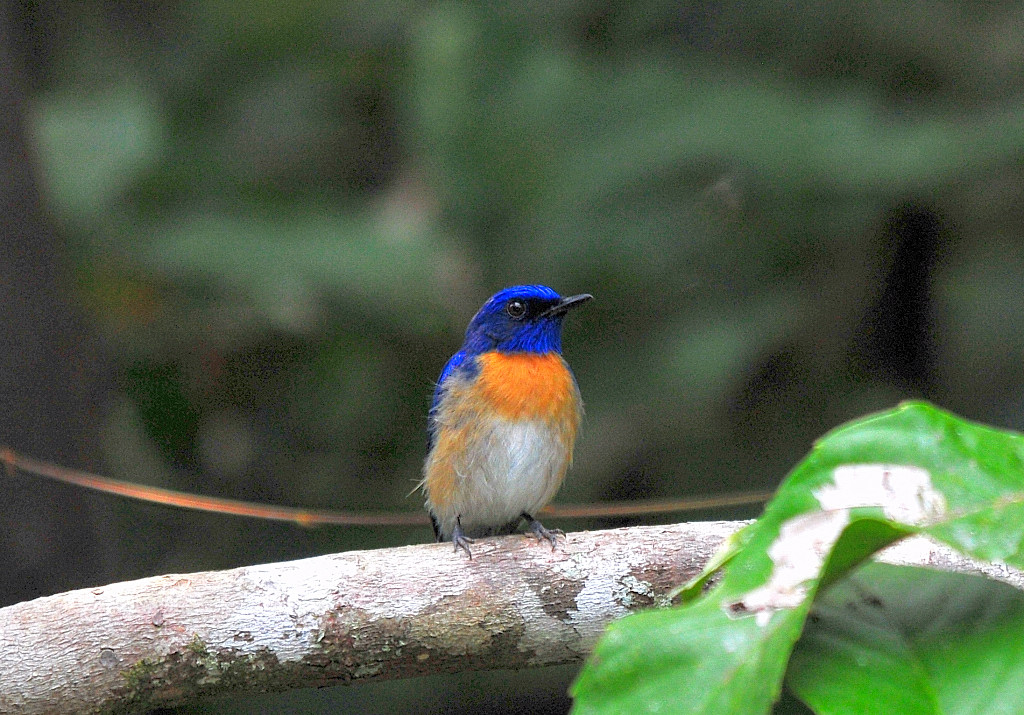
Mangrove Blue Flycatcher at Sukau, Sabah, East Malaysia

Mangove Blue Flycatcher (Cyornis rufigastra) is among many hundreds species of birds live in Sukau along Kinabantangan river. They are difference is sizes, color, sound and habitat. 


Monday, 4 April 2016

Wrinkled Hornbill and Oriental Pied Hornbill at Sukau, Sabah, East Malaysia

Wrinkled Hornbill (Rhabdotorrhinus corrugatus) and Oriental Pied Hornbill (Anthracoceros albirostris) are one of the big birds that can be found in Sukau along Kinabantangan river. They are many different types of Hornbills. They are colorful and produce beautiful sounds. Hornbills usually nest very tall.

Wrinkled Hornbill


Oriental Pied Hornbill


Monday, 21 March 2016

Heron at Sukau, Sabah, East Malaysia

Herons are common birds that can be found in Sukau along Kinabantangan river. Although they are large in size, Herons can move and fly very fast. 

They are very sensitive to sound and movements. The best time to capture Herons is at night when they are sleeping. 


Sunday, 20 March 2016

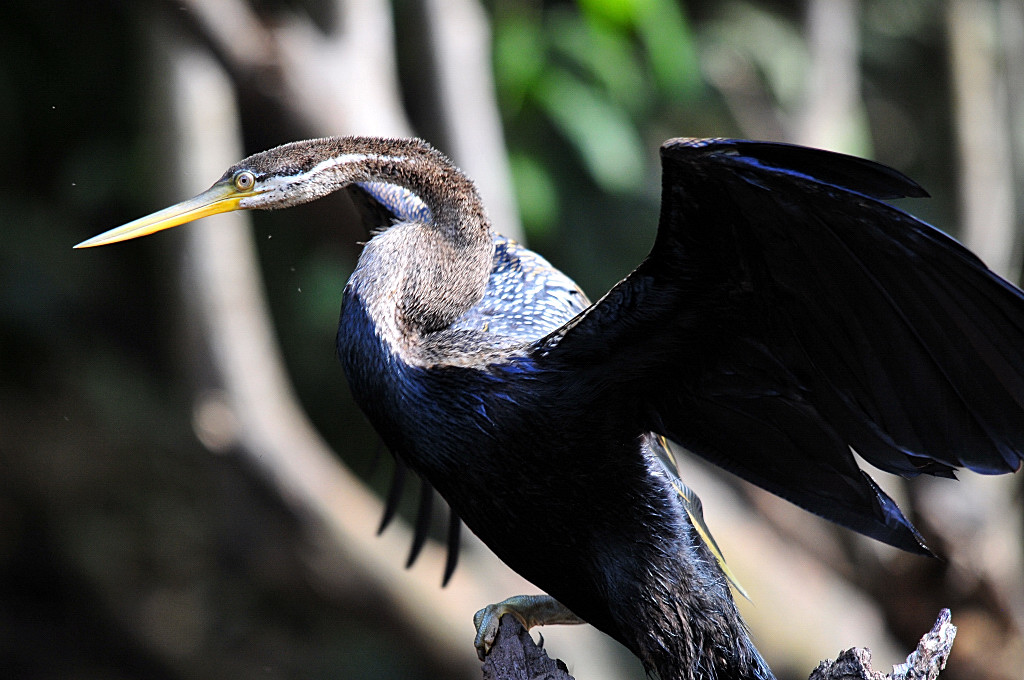
Oriental Darter at Sukau, Sabah, East Malaysia

Oriental Darters (Anhinga melanogaster) are one of the big birds that can be found in Sukau along Kinabantangan river. Although they are large in size, Darters can move and fly very fast. They are very sensitive to sound and movements.